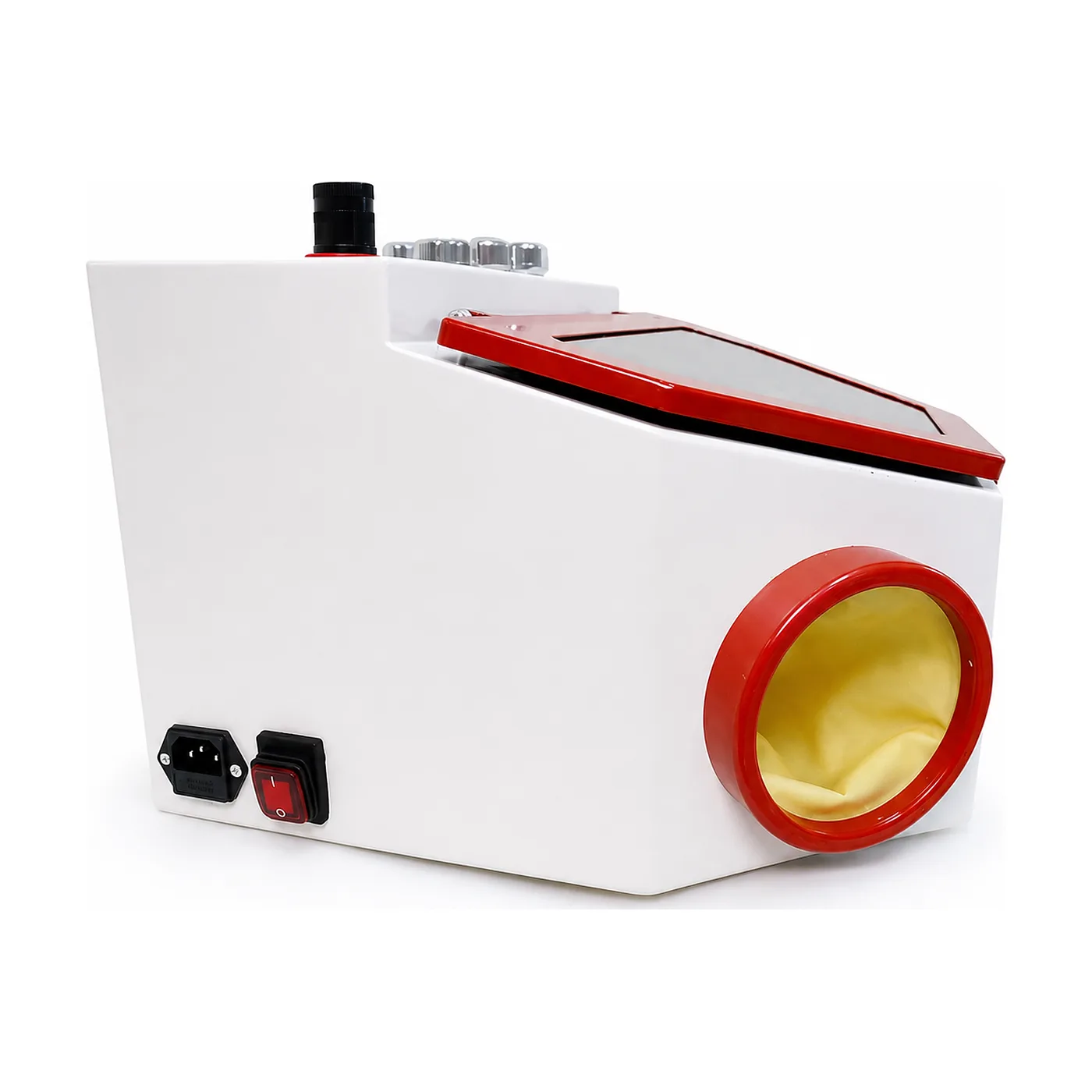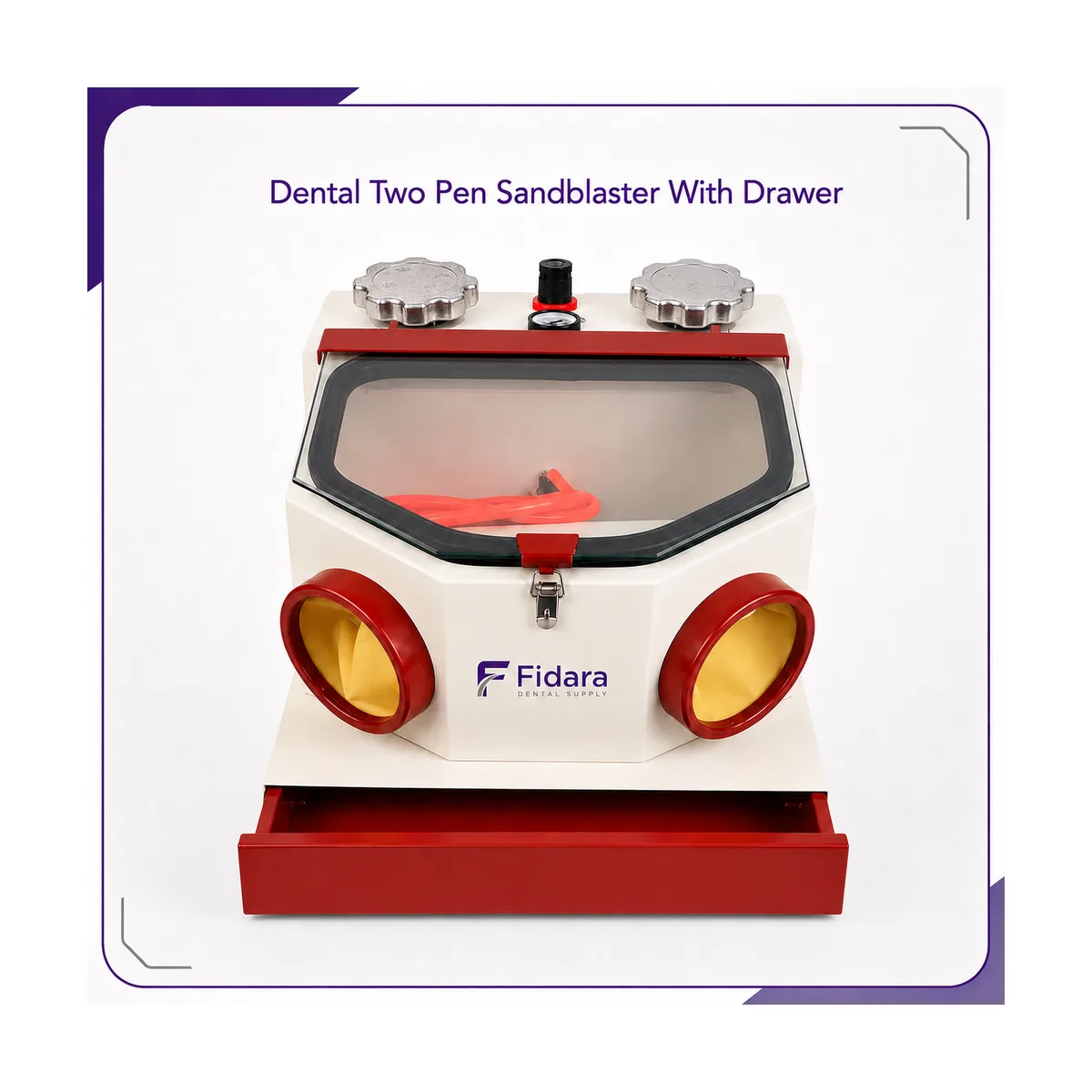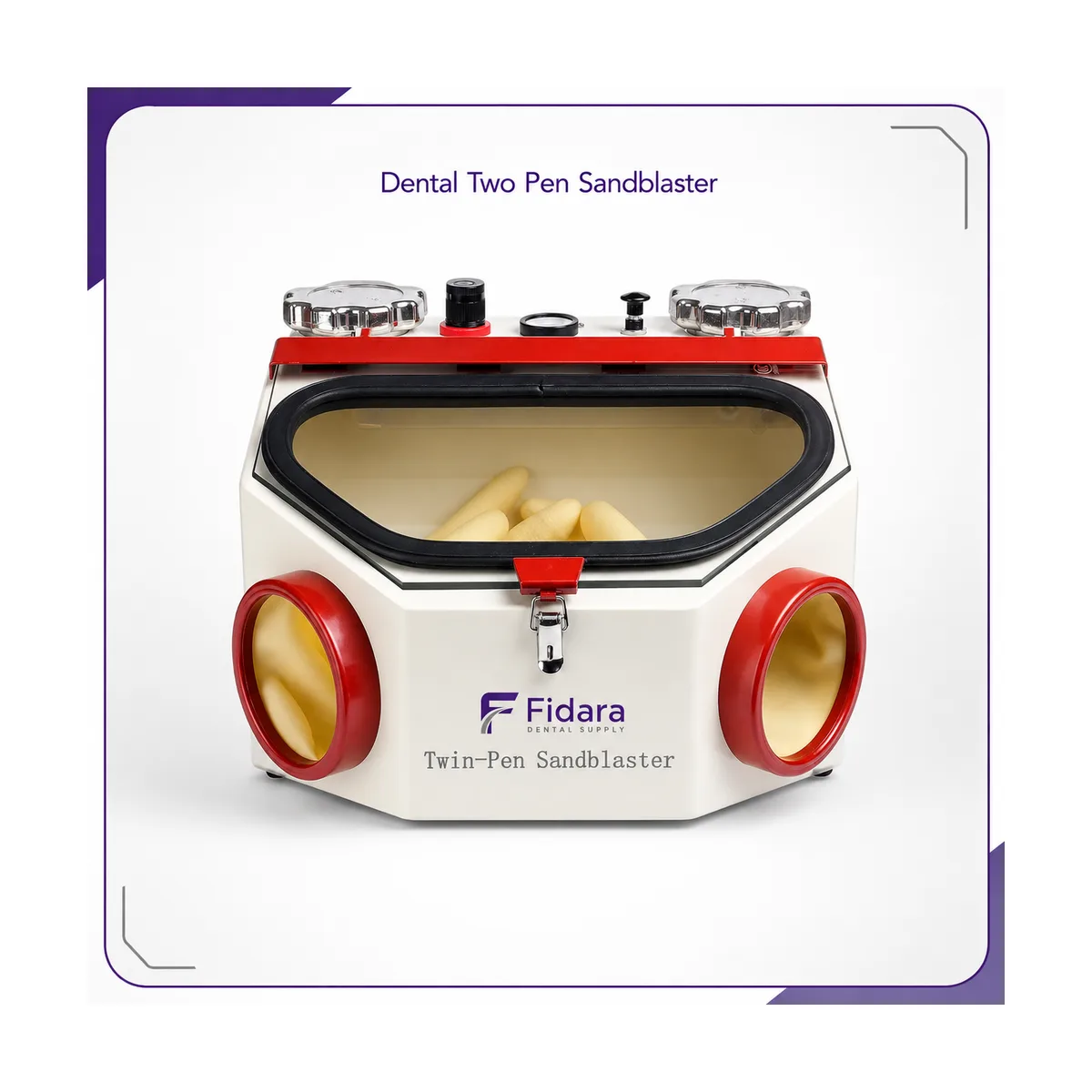
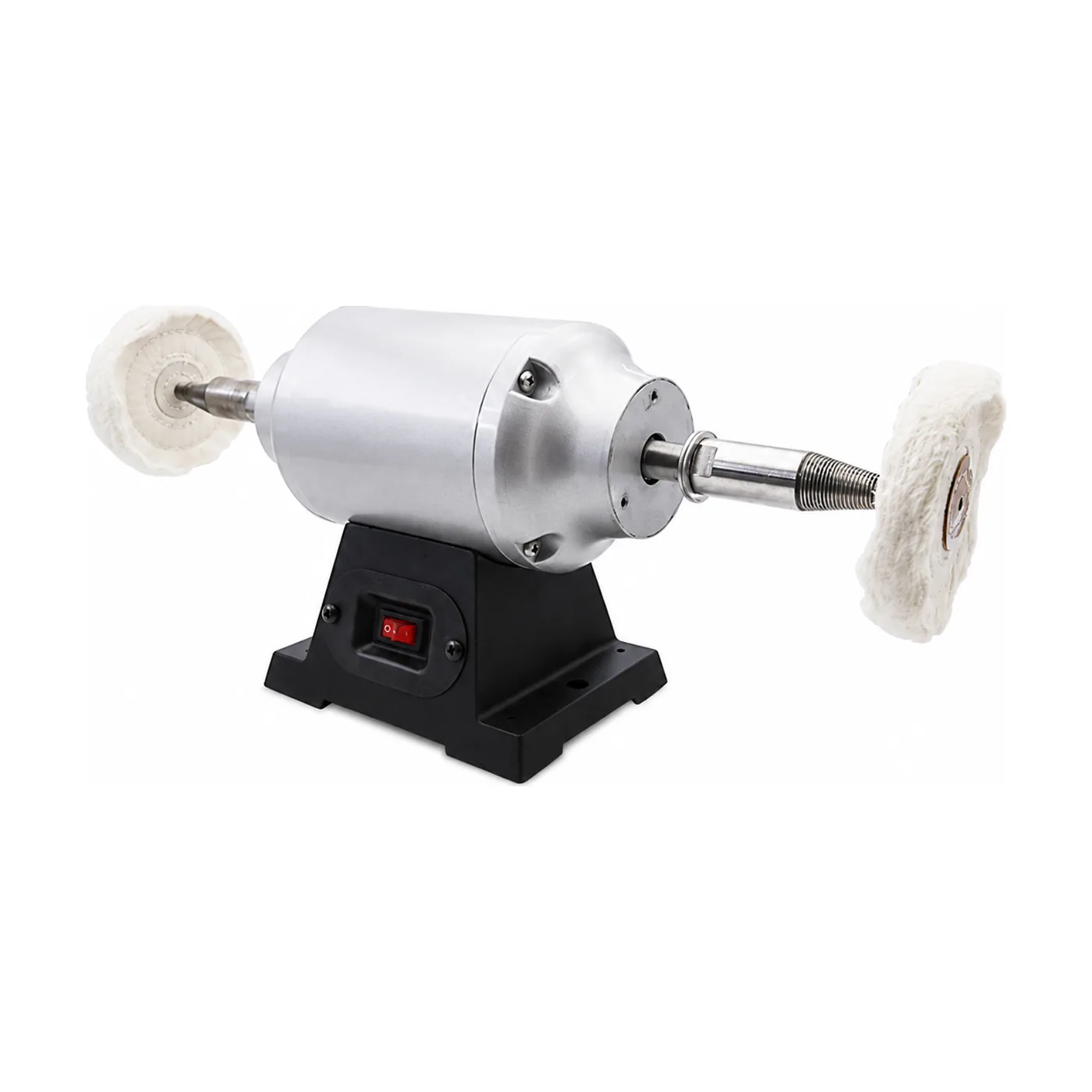
LZPG-I Double-Top Polishing Lathe — image 1 of 2
Polishing Lathe
LZPG-I Double-Top Polishing Lathe
Twin-spindle polishing lathe with paired dust hoods, for finishing acrylic and metal work at the bench.
SKU FD-LZPG1-TWINMade to order · Ships from Tianjin, China
Sales tax is calculated at checkout from your ship-to state. Freight quoted separately.
Prices as published by Fidara Dental Supply. Freight, duties and local charges are not included.
Need volume pricing or a fit-out quote? Request a quote
Volume pricing
- Quantity
- Unit price
- 1–19
- $75.00
- 20–49
- $70.00
- 50+
- $68.00
Specification
- Spindles
- 2, tapered, threaded both ends
- Rotational speed
- 3000 rpm
- Input power
- 550 W
- Safety line speed
- 35 m/s
- Dust hoods
- 2, standard extraction spigot
- Base
- Cast, rubber-isolated feet
- Supply
- 110 V / 60 Hz
- Net weight
- 14.2 kg
Why this unit
A twin-spindle polishing lathe: one motor, two tapered spindles, and a dust hood over each side. Running two spindles means a coarse mop and a finishing mop stay mounted at once, which is the difference between a polishing station a technician actually uses and one they walk past because changing wheels costs more time than the polish saves.
The hoods are the reason to buy this rather than a bare lathe. Acrylic dust and rouge get everywhere, and a lathe without extraction turns into a cleaning job at the end of every shift. Each hood takes a standard extraction spigot.
The motor sits on a cast base with rubber isolators; at 3000 rpm an unisolated lathe walks across the bench.
Choosing a bench polishing lathe
- Electrical requirement220 V ±20 V, 50 Hz ±10%, 550 W input. Wire it to the nameplate rating and ground the housing before use.
- EnvironmentRated for altitudes up to 1,000 m, −15 to 40 °C ambient, and relative humidity up to 95%.
- Pre-use checkMeasure insulation resistance with a 500 V+ megohmmeter before first use; it must read above 1 MΩ.
- Dust extractionA port behind the right-side guard connects to a vacuum unit for dust extraction.
Also on the surface treatment bench